Why We Stay Stuck
Updated: Aug 23
And Why "Just Thinking Differently" Doesn't Work
If you’ve worked with me recently, you’ve almost certainly heard me talk about Schema Therapy.
Mental health professionals are constantly toting a "new" model—CBT, ACT, IFS, EMDR. So why this one?
It's not because it’s a magic cure-all or another label for your behavior. It's because I rarely come across a framework that explains human behavior with this much clarity, compassion, and common sense.
Schema Therapy addresses the frustrating gap between insight and action. You can intellectually understand that you are people-pleasing, overworking, or avoiding conflict - yet your nervous system keeps rehearsing the old script anyway.
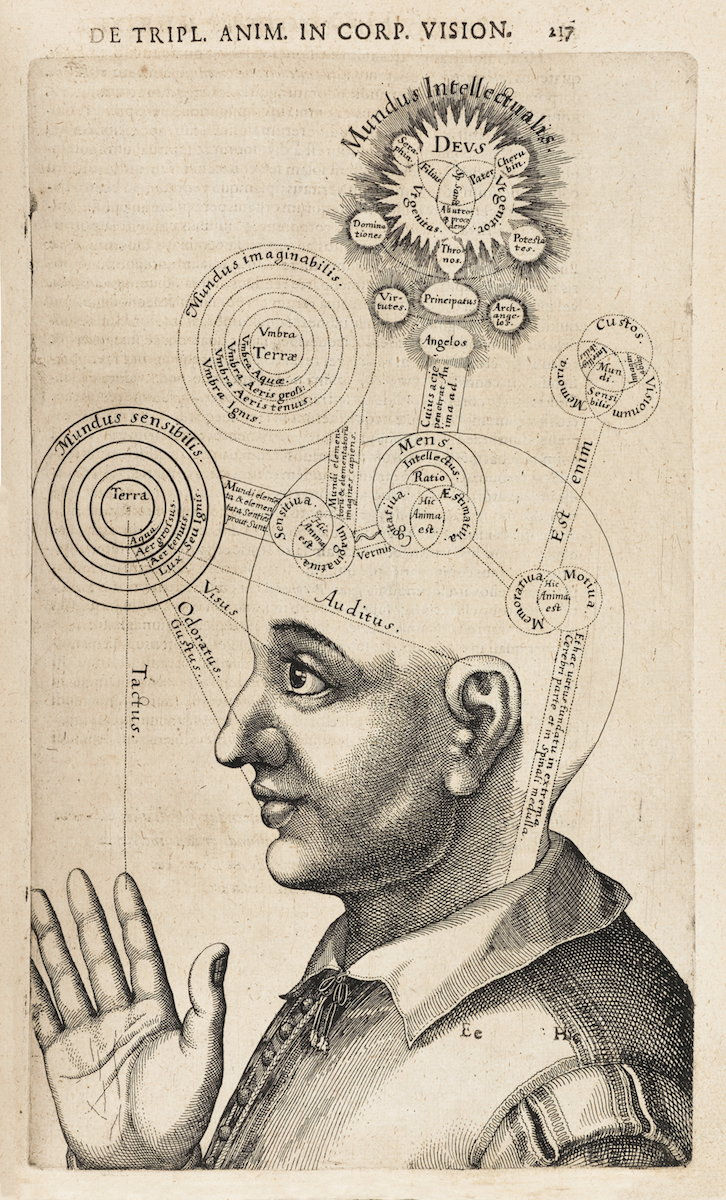
Diagram of the Human Mind by Robert Fludd, c.1617
Helpful Adaptations, Not Character Flaws
Schema Therapy suggests these patterns aren't evidence that you're "broken." They were actually helpful adaptations to your early environment:
If emotional expression wasn't safe, you learned to mute yourself (Subjugation)
If love felt conditional on achievement, you used perfectionism to earn approval (Unrelenting Standards)
If your environment was unpredictable, your nervous system stayed on guard (Vulnerability to Harm)
These survival strategies protected you and made complete sense once. The problem is that now that the original threat has passed, they are getting in your way.
Replacing Judgment With Curiosity
This isn't about digging around in childhood to point fingers. It's about replacing self-judgment with curiosity, asking:
What was this pattern originally trying to accomplish?
What unmet need was it protecting?
When did my nervous system first learn that this reaction was necessary?
Insight is an important starting point, but I have yet to see insight alone change deeply ingrained patterns. Schema Therapy provides the scaffolding to connect self-awareness with practical strategies, demonstrating to yourself that those old protective responses can finally be updated.
📖 Read the Full Essay on Substack
Want to hear how these early survival strategies impact our adult behavior?


